
Science Bard FAQ
Have Monty Harper write a theme song for your research! Here are the details…
Is This For Me?
Q: Why do I need a theme song about my research?
A: We both know how important it is to communicate to the public about scientific work! Imagine presenting your research as a concise, entertaining, catchy ear-worm, perfect for public consumption. You can use the song to introduce or summarize your work in talks or presentations. You can incorporate it into your website or online portfolio. You can feature it in social media. You can play it for new students or lab assistants to break the ice. You can keep it on your phone to show people at parties.
If you’re preparing to speak to kids, your song will provide an excellent way to kick things off. I can also involve kids in the actual writing, turning your STEM outreach into a STEAM experience! See below.
Q: Can you really turn MY boring (to others) research into a song anyone would want to hear?
A: I’ve heard this misgiving expressed by many scientists. It can be tough to garner enthusiasm for your work, especially if you aren’t studying some well-known topic or charismatic animal:
“What do you do for a living?”
“I study soil temperatures.”
“Okay, then - gotta go!”
However, I love working with “everyday scientists.” Even if your research isn't making the headlines, I know it's fascinating, otherwise you wouldn’t have devoted so much of your life to it! I've never failed to discover song-worthy content in a scientific endeavor. I will find out why your work fascinates you, and I will translate that enthusiasm into a song the public can relate to.
Q: Are there benefits to doing this aside from the song?
A: I like to think so. I will interview you with the goal in mind of writing a song. A song is about one thing; it needs a focus (topic) and an angle (interesting way to present the topic). This means I’ll be helping you narrow down all the different details and avenues of your scientific work into one burst of information that’s fun and interesting for a general audience, age 8 and up. At the same time, I like to dig deep. I love sharing the process of science — not only “What are the cool things we know?” but also “How do we come to know them?” You may find the interview process and the song itself useful in refining your own approach to sharing not only your research subject, but information about the research itself.
What Are The Songs Like?
Q: What kind of audience will you target with the song?
A: I write my “scientist songs” with a general, scientifically curious audience in mind. I go for a 4th grade level of understanding, with a hook that will interest kids and enough sophistication to inform and entertain adults as well.
Q: What is the goal of the song — are you trying to teach the listener everything about my research?
A: No, my goal is to highlight some aspect of your research that gets at the heart of why it’s interesting, difficult, and/or important. I want the audience to be drawn in by the song, and I want them to walk away curious to learn more.
Q: What genres do you work in?
A: My writing is generally pop/rock/folk influenced. I’m a huge fan of the Beatles, the Beach Boys, and They Might Be Giants. If you have a particular other genre you want for your song, let me know, and I can give it a try.
Q: Do you write original melodies or do you write parodies?
A: I can do either. I tend to prefer writing a completely original song with its own unique melody. This is a celebration of your work, after all, and you deserve to have your very own song to show off! On the other hand, many science education songs are written as parodies for good reason. Setting new words to the melody of a popular song makes the song more instantly singable and adds a layer of interest (and often an element of humor) for those who know the original. If you would prefer a parody, especially if you have a song in mind that would match well with your topic, I can write that for you.
Q: Can I hear some examples?
A: Sure! Sample songs are back on the main page, right here.
How Does The Process Work?
Q: What is the process?
A: Here’s the play-by-play:
- You send me any relevant links or articles to help me prepare.
- I interview you about your research in a Zoom session (about 90-120 minutes).
- I’ll write the song and send you a first draft.
- You’ll get back to me with any needed lyric changes; I want the song to be relatable to a general audience, but not at the expense of scientific accuracy! We may go back and forth a bit to get it just right.
- Once we agree on a final version of the song, I’ll make a polished recording in my home studio.
- If you’ve opted for a lyrics video, you’ll send me images from your work you want included, and I’ll put together the video.
- I’ll deliver the final product in whatever format you need.
Q: Do you really want to hear about my actual research, cause that’s… ?
A: Yes! Some scientists prefer to talk to the public about their research subject (for example: “Sharks are cool!”), rather than their actual research (for example: “Relative sizes of pectoral fins in male and female nurse sharks”). I know it can be a challenge, but I would truly love to understand what you actually do on a daily basis, then communicate something about that to the listener. I want your song to be as unique to you as possible, rather than something that could just as well represent any other scientist in your field.
Q: How are you going to understand my research well enough to write a song about it?
A: I’ll pick up what I need from our interview, from any published work you send me, and possibly from follow-up questions by email. I’m highly motivated, fascinated by the process of science, and I have a master’s degree in mathematics, so I’m a smart person and a logical thinker. I’ve interviewed dozens of scientists, so I know the general shape of the conversation pretty well. I’m patient, and not intimidated about asking “dumb” questions. If you use jargon I don’t understand, I’ll ask for definitions. I’ll repeat ideas back to you in my own words to test my understanding. I’ll give you a sense of how well I’m getting the concepts so we can steer the conversation accordingly. One scientist told me during our interview they wished their grad students would ask questions as insightful as mine!
Q: I already have my “for the public” material prepared and it works well. Can the song be based on that?
A: Sure, if you feel a song will enhance what you’re already doing, I can write that song.
Q: How much time do you need for the interview?
A: This will vary, but something in the range of one and a half to two hours usually works well.
Q: How long does the songwriting take?
A: I’ll strive to send a completed product within two weeks after our interview, but I like to set a deadline a month out to allow for unforeseen circumstances.
Q: What is the cost?
A: Please refer to my response form for current fees.
Q: Who will own the copyright / how can I use the song?
A: I will retain full ownership of the song. However, your fee includes a license allowing you to use the song in any non-commercial way you want. If you have a specific use in mind you aren’t sure about, let me know and we’ll work it out.
Q: How soon can we start?
A: That varies according to how much work I already have scheduled. I may be able to start right away, or we may have to wait a few months. When you fill in my response form, please tell me if there’s a specific date when you need the finished song. I’ll do my best to accommodate that, and I’ll let you know right away whether I can or not.
Q: How do we get started?
A: Fill in my response form (this does not obligate you to anything) and I’ll get back to you about my availability.
Q: I don’t quite see what I was looking for here. Are you open to thinking outside the box?
A: Absolutely! Fill in my response form, and tell me what you have in mind! There's a box for that! 😜
How Do I Turn My STEM Outreach Into a STEAM Experience?
Q: What is a STEAM experience?
A: Where STEM stands for Science Technology Engineering and Mathematics, STEAM throws in an A for the Arts. A STEAM experience would have kids explore a scientific or technical topic through the arts. I my case, I write songs with kids based on interviews with scientists about their research.
Q: Why should we involve kids in the writing process?
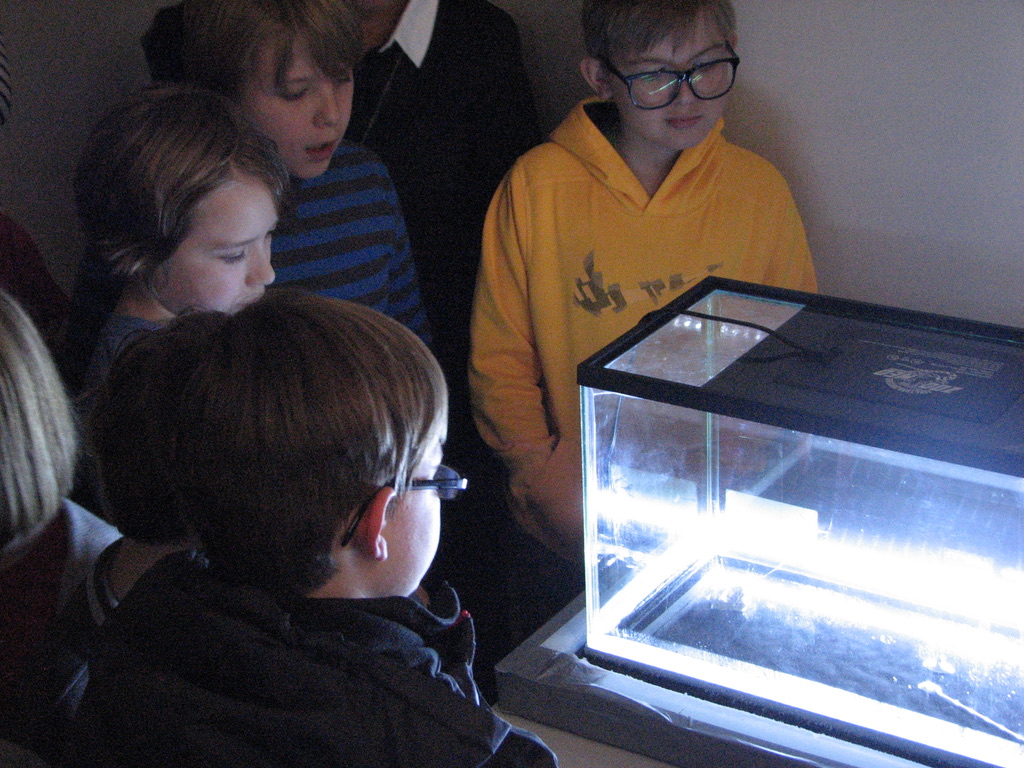
A: If the kids know they’re going to help you turn your research into a song, this gives an added layer of purpose to your visit. We will prep them to have their songwriting antennae up as you present the material, which will help them stay focused and ask excellent questions. Turning what they’ve learned into a song helps them process and retain the information. Feeling ownership in the song will help them connect on a more personal and emotional level to the science that went into writing it. We’ll be providing the kids with an experience they’ll never forget!
Q: What does this STEAM experience look like, exactly?
A: My basic STEAM program is designed for a single elementary school classroom (best for grades 3 - 5), to be accomplished through three online Zoom sessions with the kids:
- I conduct my interview with the scientist, during which we discuss a presentation for the kids.
- I prep the kids on how to listen for good song ideas.
- The scientist presents their research to the kids in a Zoom session. I’ll sit in on that.
- I brainstorm song ideas and start writing with the kids in a Zoom session. The scientist may sit in if they want.
- I complete a first draft of the song.
- All parties meet for a final Zoom session in which we revise and polish the song.
- I deliver a final recording of the song to everyone involved.
Q: Can this experience be expanded upon, for example by involving more classrooms, holding in-person sessions rather than meeting online, creating multiple songs, having kids present the songs at a live event, etc.
A: Absolutely. When you fill in my response form, let me know what you have in mind and I can get back to you with a cost estimate and availability. Keep in mind that travel may be a limiting factor — I’m located in Stillwater, OK.
Q: Who would initiate the process of setting one of these up, the scientist or the school?
A: If you already have a scientist/classroom partnership set up, either of you can contact me to bring songwriting into the picture. If not, Skype a Scientist is an org that connects scientists with classrooms. I suggest starting there. You may also express your interest to me in case I have a scientist or school on the line needing a match up.
Q: Does involving the kids affect the cost of the project?
A: Yes, it does add a bit to the cost, to cover the additional Zoom sessions and preparation. (See my response form for details.) However, it also may qualify the project for some arts funding through the school involved.